

Milwaukee officers shot, Tremaine Jones trial: Live updates April 2
Milwaukee officers shot, Tremaine Jones trial: Thursday recap
Thursday marked the third day of testimony in the trial of Tremaine Jones. A woman who was arrested and charged took the stand, as did the deputy chief medical examiner who conducted the autopsy of Officer Kendall Corder.
MILWAUKEE - Testimony continued Thursday in the trial of Tremaine Jones, the man accused of killing Milwaukee Police Officer Kendall Corder and wounding Officer Christopher McCray in a shooting last summer.
FREE DOWNLOAD: Get breaking news alerts in the FOX LOCAL Mobile app for iOS or Android
Live updates | April 2, 2026
Court breaks
4:47 p.m.:
In the middle of testimony from a Wisconsin State Crime Lab firearm and toolmark examiner, court broke for the day due to time. The examiner's testimony is expected to continue when court reconvenes at 8:45 a.m. on Friday.
PHOTO GALLERY: Pool images from April 2, 2026
Witness testimony
4:23 p.m.:
Troy Chadwick, a Wisconsin State Crime Lab firearm and toolmark examiner, testified about how firearms leave impressions on bullet casings. He said those impressions or marks can be used to determine if a specific casing was fired from a specific weapon.
Chadwick said he tested two 40-caliber handguns, which were found in an apartment near 25th and Garfield and collected as evidence. He determined each weapon fired two 40-caliber casings that were recovered there.
Chadwick also testified that he tested what he described as a short-barrel rifle, which was recovered near where the officers were shot. The state said the rifle's overall length was "less than the legal standard."
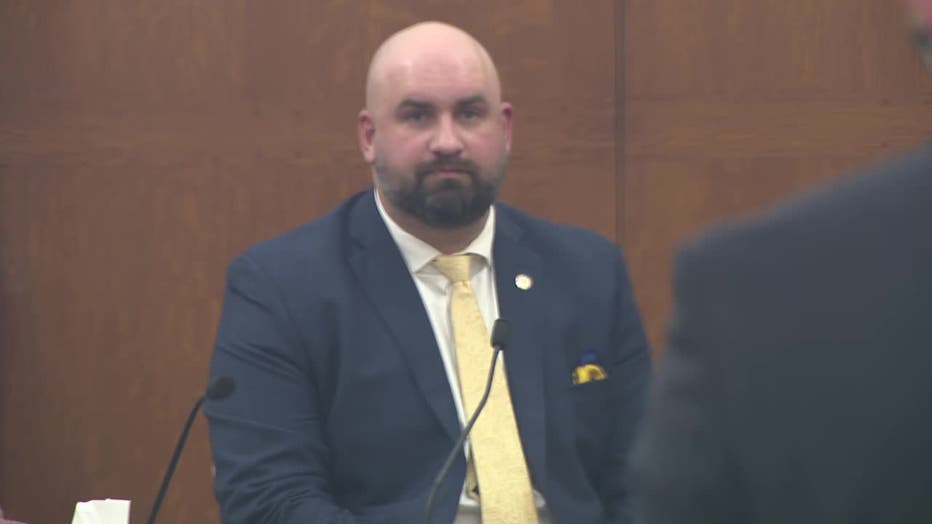
Troy Chadwick, a Wisconsin State Crime Lab firearm and toolmark examiner, testifies during the trial of Tremaine Jones on April 2, 2026.
Officer Kendall Corder's autopsy
3:51 p.m.:
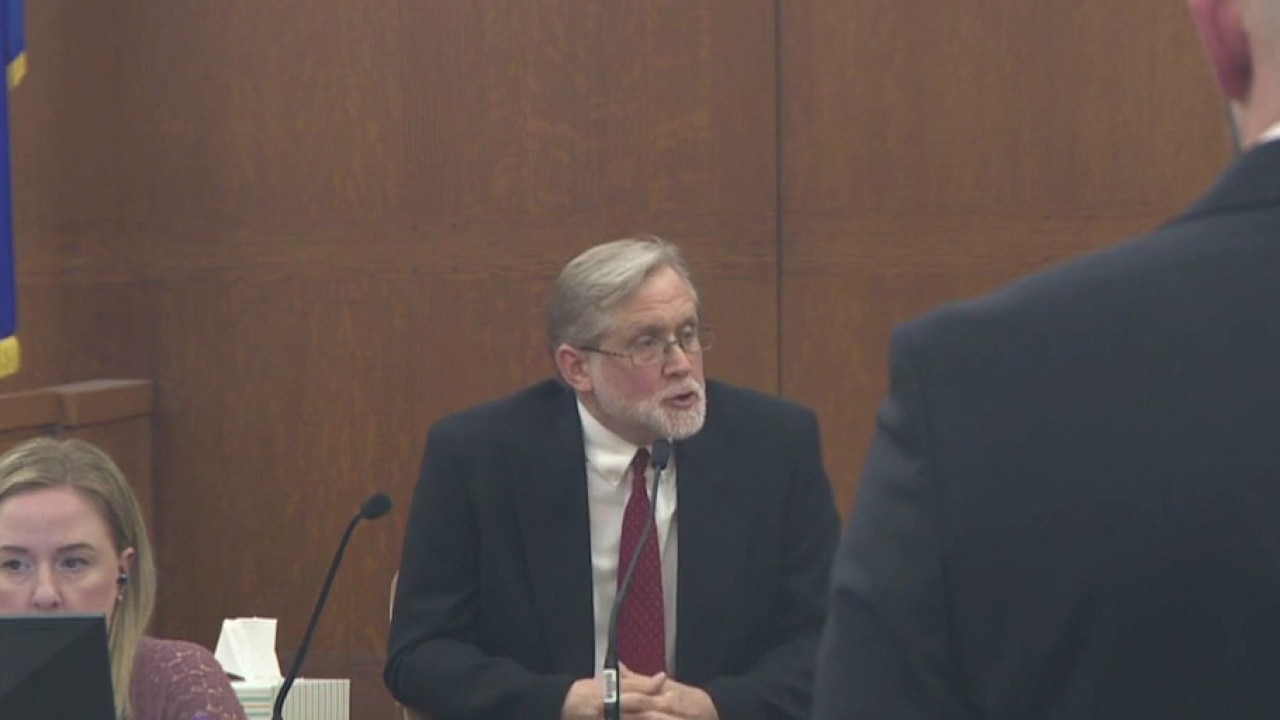
Doug Kelley, Milwaukee County's deputy chief medical examiner, took the stand. He explained what cause and manner of death mean and how they are determined when conducting an autopsy.
In court, Kelley went through the report of his autopsy of Corder. He testified that Corder had three gunshot wounds. One wound to Corder's right leg looked like a bullet "ricochet" wound.
Kelley testified that another gunshot wound was to Corder's shoulder and neck, and the bullet was recovered from the area around his right shoulder. He said the bullet severed Corder's spinal cord and "at the moment that happens, all connection between brain and everything from the neck down ceases to exist."
The third gunshot wound Kelley discussed was to Corder's left arm. He testified that the bullet exited the arm and then struck Corder's chest, where it was recovered during surgery.
Kelley testified that Corder's cause of death was the gunshot wounds, and he certified the manner of death as a homicide.
The defense had no questions.
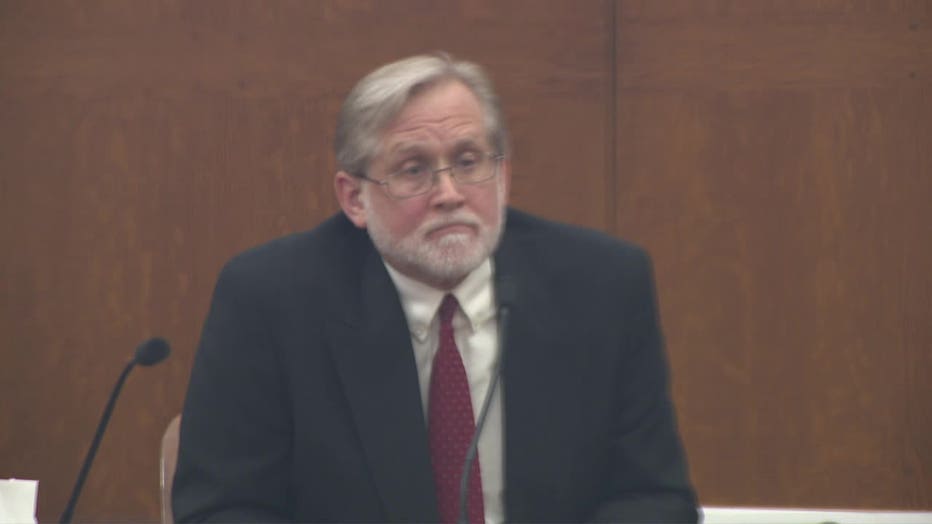
Doug Kelley, Milwaukee County's deputy chief medical examiner, testifies during the trial of Tremaine Jones on April 2, 2026.
Cellphone records
3:23 p.m.:
George Reinerth, an FBI special agent, provided testimony about Jones' cellphone records and cellphone tower data. MPD obtained a subpoena for that information, which the department then provided to him for review.
Reinerth explained cell site analysis, which uses information from service providers and towers to locate the area in which a cellphone was used at a given time.
The state showed Reinerth's report in court. He testified that his analysis placed Jones' cellphone in the area of the shooting during the timeframe that the shooting happened on June 26, 2025. After the shooting, he said the cellphone began to move south. He said the cellphone was later placed in the area of Jones' arrest during the timeframe that he was arrested on June 27, 2025.
On cross-examination, Reinerth testified that the records he reviewed do not specify what the cellphone was doing at a given time. He said he can't give an exact location based on cellphone tower data, the way one could via GPS.
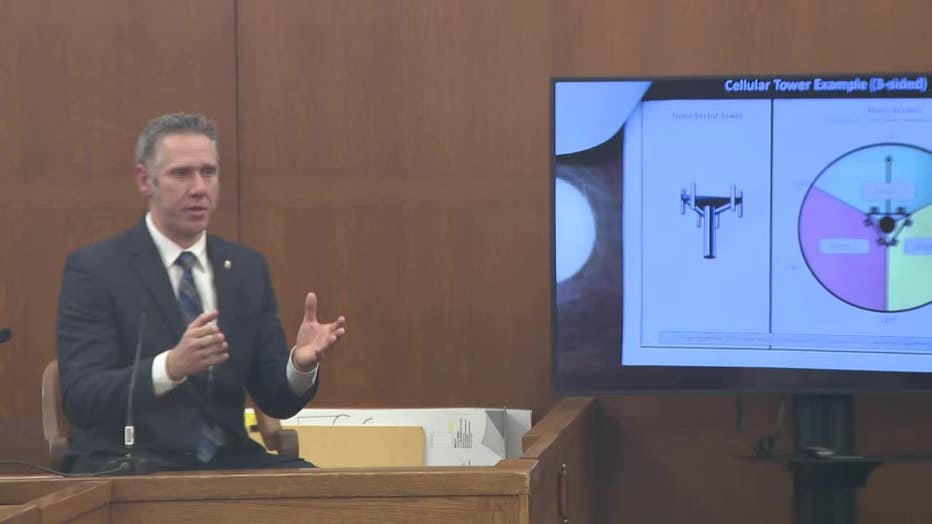
George Reinerth, an FBI special agent, testifies during the trial of Tremaine Jones on April 2, 2026.
2:52 p.m.:
MPD Det. Ndiva Malafa, who provided testimony earlier in the trial, returned to the stand. On Thursday, he testified about a subpoena for Jones' cellphone records. Detectives learned Jones' cellphone number from someone he knew.
Malafa said the subpoena was for information from that specific device, as well as data from cellphone towers that the device may have used.
The defense had no questions, and the court took an afternoon break.
Jermela Kittler testifies
2:13 p.m.:
The state called Jermela Kittler to the stand on Thursday afternoon. Prosecutors charged her with harboring/aiding a felon, in this case Jones, in connection with the shooting investigation. She appeared in court in jail-issued clothing.
Kittler pointed to and identified Jones in court. She testified that she's known Jones for a few years, and they used to date. She said another woman reached out to her, angry about her relationship with Jones and wanting to fight.
Kittler testified that the woman who wanted to fight her lived near 25th and Garfield, and she went over there with some other people on the day before the officers were shot. Jones was not with her at the time. She testified that she fought that woman in the street, and she and her friends jumped the women "for the thrill of it."
On the day the officers were shot, Kittler testified that she had gone back to the area of 25th and Garfield to fight again. She said she went with a group of people again, and the woman had a group of people with her this time. There was a second fight. Kittler said someone with a gun tried to break up the fight, and she called Jones because she was mad.
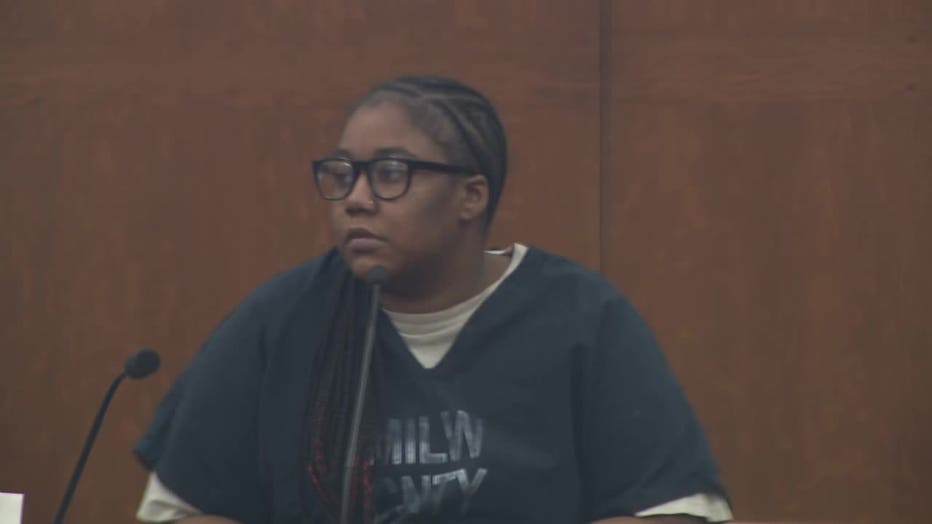
Jermela Kittler testifies during the trial of Tremaine Jones on April 2, 2026.
Kittler testified that she did not ask Jones to bring a gun, but she assumed that he would have one. Jones later showed up with a gun and threatened to "shoot up" a house if the people from the fight didn't come outside, she said.
The state played video in court that showed a man in the street with a gun. Kittler identified that person as Jones. She also said, at one point, he fired shots into the air. In another video, which showed the area of the alley where the officers were later shot, Kittler again identified Jones.
Kittler said she saw a police squad pull up with its lights off and told the people in her group. She testified that Jones was there at the time, and he went down an alley. She was no longer there when Corder and McCray were shot.
Jones called Kittler later that night, she testified, saying that he needed some clothes. She went back to the scene and brought him a change of clothes. He changed clothes, and she said he didn't have his backpack or the gun anymore. When they went to look for the backpack, they saw police. They went back to her house.
Police later went to Kittler's home. When an officer asked if Jones was inside, Kittler testified that she told police that she didn't know because she hoped they would just go away. Jones came out of the house and was arrested, and police also arrested Kittler.
Kittler said she agreed to testify in exchange for a potentially lenient sentence in her own case.
On cross-examination, Kittler said Jones was not there for the first fight or, initially, for the second fight. She testified that she called and asked him to come to the second fight because there was another man there with a gun. She said there were gunshots, she left in an Uber and didn't see where Jones went after she left the scene.
DNA evidence on guns
1:21 p.m.:
Sharon Polakowski, a Wisconsin State Crime Lab analyst, took the stand when the court returned from its lunch break. She testified to DNA evidence in the case.
Polakowski explained steps that go into collecting and analyzing a DNA sample, including the procedure for analyzing samples that contain a mixture of DNA profiles, and how they match results to individuals.
The analyst went through the report that included her conclusions on DNA samples that were collected from pieces of evidence. It included samples from Jones and Bryshawn Tyler, who is also charged in connection with the investigation, which were used to generate the profiles.
Polakowski testified that DNA samples from two handguns included a mixture of people. She determined there was strong support for the inclusion of Tyler's DNA, and support for the exclusion of Jones' DNA, on the weapons. She noted it does not exclude Jones outright.
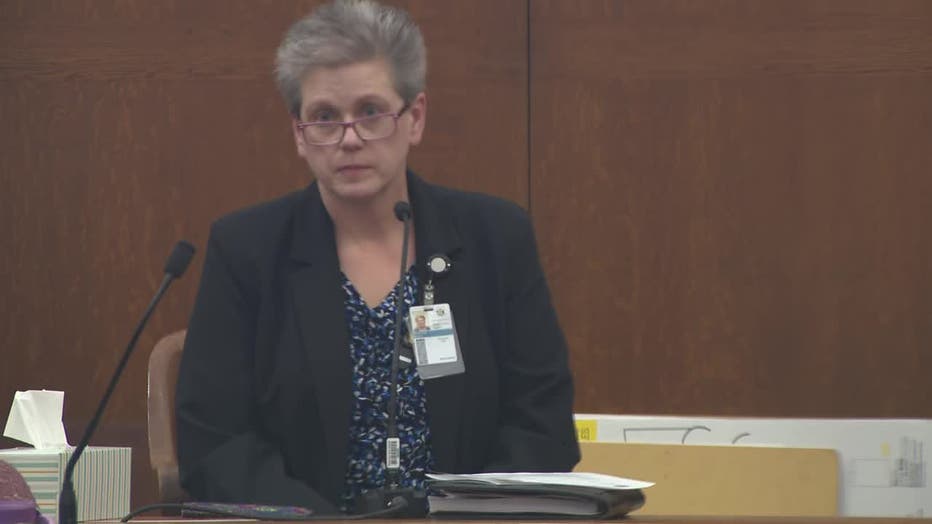
Wisconsin State Crime Lab analyst Sharon Polakowski testifies during the trial of Tremaine Jones on April 2, 2026.
As to a rifle recovered at the scene, Polakowski said she analyzed three DNA samples. She found moderate support for exclusion of Tyler's DNA on the trigger, and strong support for inclusion of Jones' DNA on the trigger. The two other samples were not suitable for comparison, she said.
Polakowski also analyzed a DNA sample from a mask, but she was unable to develop a DNA profile. The bristles of a toothbrush, which was found in a backpack that was left at the scene, were consistent with Jones.
On cross-examination, Polakowski said a measurable amount of DNA is not always left on an item that someone touches and agreed that testing touch DNA samples it not an exact science. She also agreed it was scientifically impossible to know how long DNA had been on an item.
Clothing found during search
11:28 a.m.:
MPD Homicide Det. Casey Donahue testified that he was involved in the search of a home on 37th Street, where Jones and a Jermela Kittler, who is also charged in connection with the investigation, had been taken into custody. They were looking for items such as cellphones, weapons, ammunition or clothing that the shooting suspect was seen wearing on video.
In court, Donahue reviewed photos taken of evidence in that home. He testified that the evidence included a cellphone and items that included identifying information for Kittler. They also found clothing, which appeared to match what Jones was seen on video wearing on the night of the shooting.
The defense had no questions.
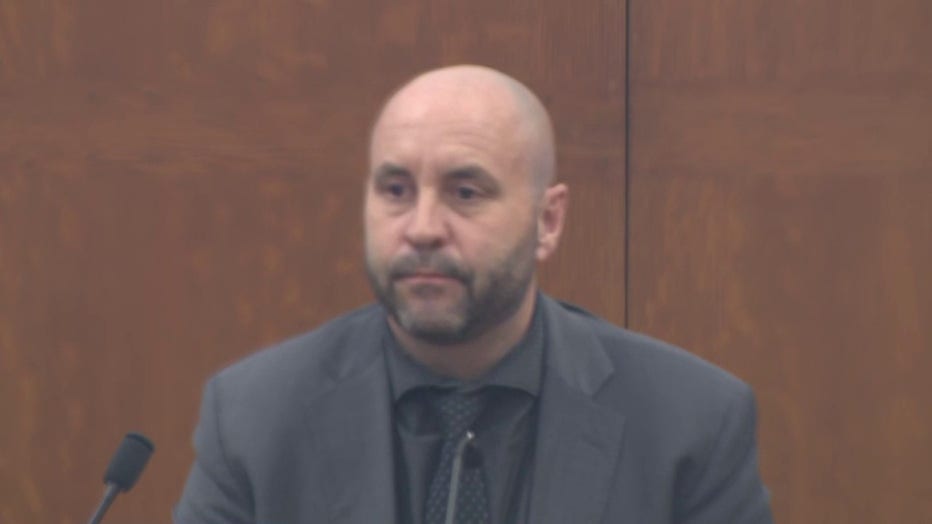
MPD Detective Casey Donahue
Tremaine Jones arrested
11:20 a.m.:
MPD Sgt. Anthony Milone, a former fugitive apprehension unit officer, took the stand. He said he was an officer with that unit when Corder and McCray were shot, and he testified he was asked to look for Jones.
Milone pointed to, described and identified Jones in court. He testified that he located and apprehended Jones. He said they found a connection between Jones and Jermela Kittler, who is also charged in connection with the investigation, and drove past her house.
The sergeant testified that nobody, including Kittler, confirmed if Jones was there. They were granted consent to search the home, ordered everyone out of the house and called for Jones to come outside with his hands up. After roughly five minutes, Jones came outside and was taken into custody without incident.
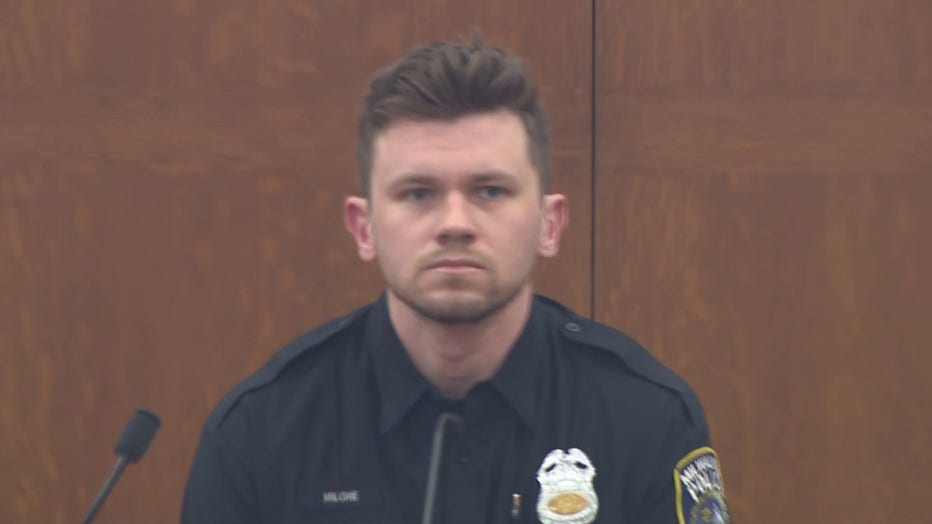
MPD Sgt. Anthony Milone
Popcorn bag fingerprint
11:15 a.m.:
Matthew Maudlin, a latent print examiner for the Milwaukee Police Department. He said he was previously a forensic investigator and, before that, an officer.
The examiner testified that he identified a latent fingerprint for Jones on a bag of popcorn.
On cross-examination, Maudlin testified that he was unaware of how the popcorn bag was found. Defense Attorney Russell Jones said it was found in a backpack that also contained identifying information for Jones.
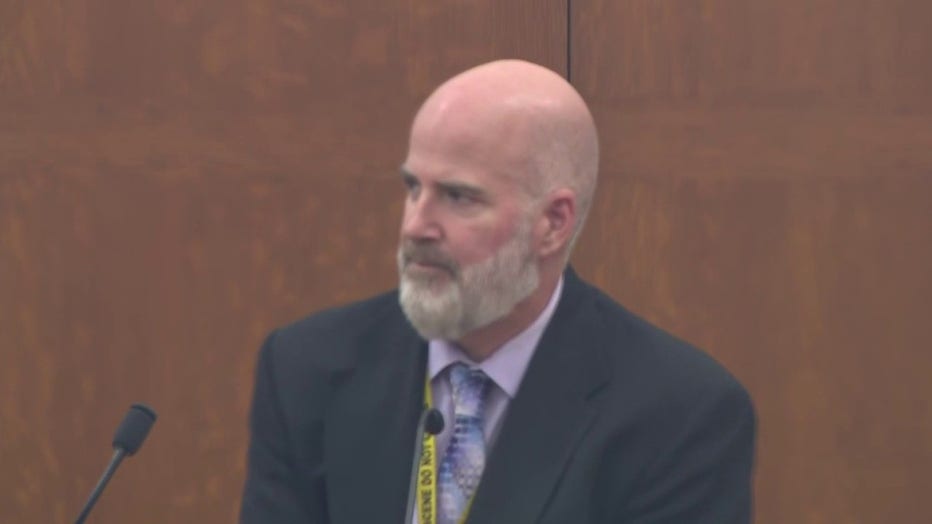
LPE (Latent Print Examiner) Matthew Maudlin
Jones' fingerprint identified
10:59 a.m.:
The state called Chet St. Clair, a latent print examiner for the Milwaukee Police Department. He testified that a number of factors, such as the texture of the surface and the environment, can impact the usability of a fingerprint.
St. Clair said he examined three fingerprints that a forensic investigator pulled from tape that was holding together two magazines for a rifle. A detective asked him to compare those with prints taken from Jones and Bryshawn Tyler, who is also charged in connection with the investigation. St. Clair testified that one print was a match for Jones, another was inconclusive, and the third was unusable for identification purposes.
On cross-examination, St. Clair testified that guns are, in many ways, resistant to fingerprints. He also said, for the prints that did not result in identification, it's not known if anyone else touched or shot the rifle.
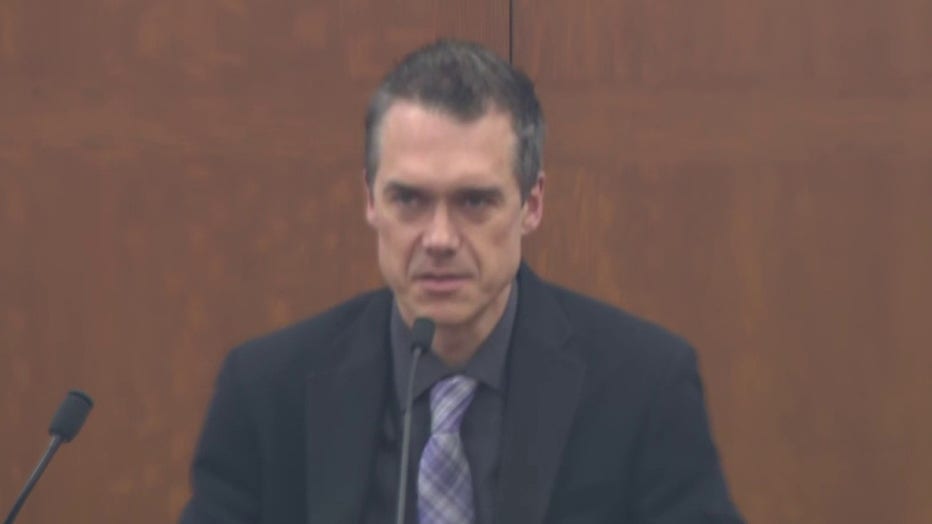
LPE (Latent Print Examiner) Chet St. Clair
Guns tested for fingerprints
10:36 a.m.:
Janel Vytlacil, an MPD forensic investigator, testified that she processes physical evidence from crime scenes.
Vytlacil described how she collects DNA and latent fingerprints, and she explained that just because someone touches something does not guarantee that a sufficient DNA sample or fingerprint can be pulled – environmental factors can disrupt that evidence.
The investigator testified that she analyzed a rifle and two handguns that were collected as evidence and processed them for DNA and fingerprints. She did not find any fingerprints on the weapons themselves. There was tape holding two magazines for the rifle together, and Vytlacil said she recovered three latent fingerprints from the tape.
The defense had no questions.
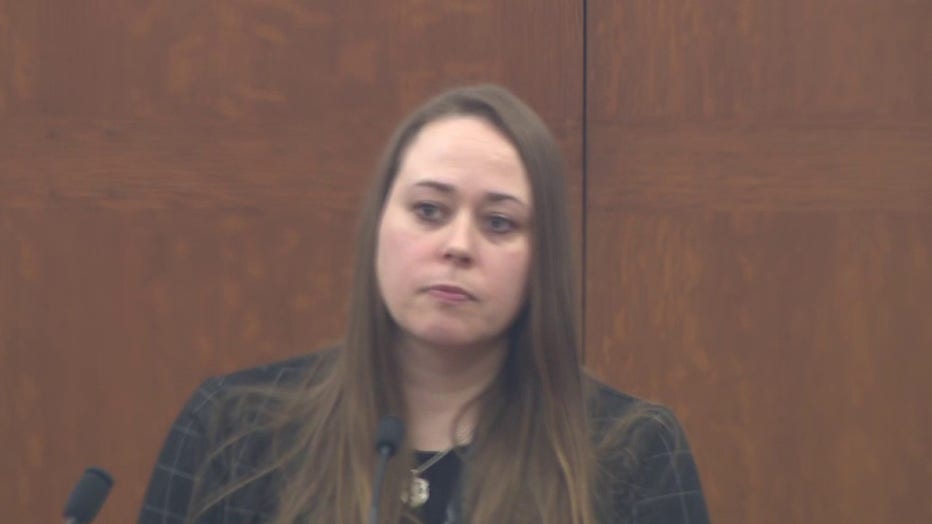
MPD Forensic Investigator Janel Vytlacil
Photo lineup conducted
10:29 a.m.:
MPD Sgt. Curtis Pelczynski, a former homicide detective who investigated Corder's death, took the stand. He testified that he conducted a photo array with a witness, who the state called earlier Thursday.
Pelczynski said he explained to the witness that they were trying to identify a person who had a "black rifle-pistol" near 25th and Garfield on the night of the shooting. He testified that the witness identified Jones from the photo lineup.
The defense had no questions.
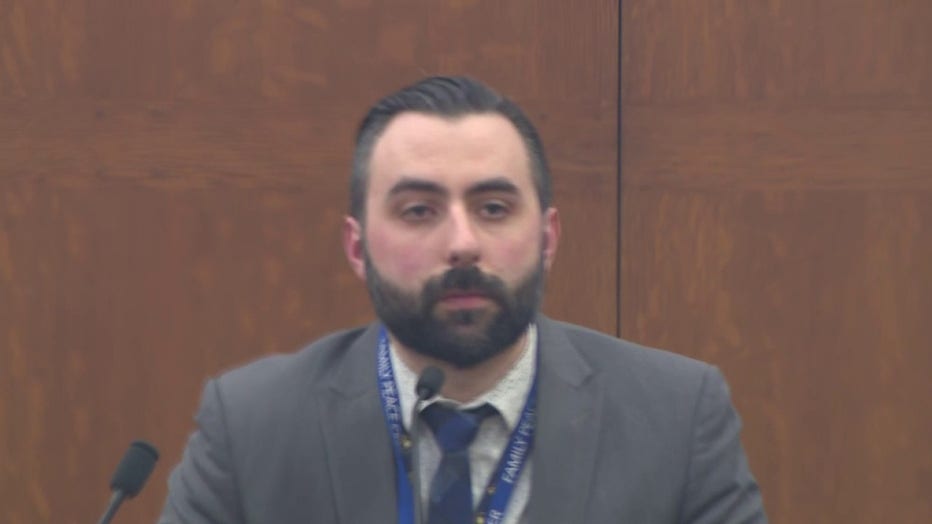
MPD Sgt. Curtis Pelczynski
Witness identifies Jones
8:52 a.m.:
The state's first witness Thursday testified that he was living near 25th and Garfield when the shooting happened. He did not know Jones by name but identified him based on what he was wearing in court. During his testimony, he later said he identified Jones to police from a photo lineup.
The witness said he was outside and saw an argument and a fight between "girls" in the street the day before the shooting. He also testified that there was another altercation on the night the police were called, June 26, 2025. He said the second altercation "played out how it did the first time," and he took video that day.
The witness testified one of the people in his video had a handgun, but the witness did not know who that person was. Later, he said Jones showed up with a rifle. He said Jones yelled for people to come out of an apartment building and shot into the air a few times. He said someone inside an apartment building later returned fire, and everyone scattered. The witness said he followed because he was "curious."
When shown another video, the witness testified that a person seen with a backpack, ski mask and rifle was Jones. In another video, the witness identified himself in video that showed him following that person in an alley. He testified that Jones "stayed posted" in the alley near some cars and bushes, and the witness walked away.
The witness said he later saw two police officers come to the area. When they got to the alley, "a lot" of shots went off.
"One of the officers hit the ground, and, the other one – the other one was trying to run off a little bit, but he realized his partner was down, and he came back to help his partner," he said.
The witness said the shots came from the bushes. The witness also said he approached to see if the officer needed help, and the partner told him to get back.
The witness testified that he went home after that, but saw Jones again later that night. He said Jones mentioned he "thought it was somebody else," and the witness told Jones it was "cops." Jones said he was missing his bag, according to the witness.
On cross-examination, the defense pressed the witness about where he was and what he saw that night – asking why he kept filming instead of going inside, leaving the area or calling police at any point. The witness said he did not know Jones or any of the people involved in the altercation, but had seen them around the apartment building and decided to start following Jones around after shots were fired.
The witness, as cross-examination continued, testified that he was down the alley when police arrived and the shooting took place. Several minutes had passed since he last saw Jones, and he also said he did not see who pulled the trigger. He said, as he was heading home after it happened, he saw Jones cutting through yards and that Jones did not have the backpack or the rifle anymore.
On redirect, the witness confirmed that the last place he saw Jones with the rifle and backpack before the shooting was near the cars and bushes in the alley. He also said he never saw anyone else in that location, never saw anyone else with that backpack and never saw anyone else with that rifle.
The defense re-crossed the witness. He testified that he told Jones he would look around to see if cops were coming, because he said he didn't want anyone to get in trouble. The witness said he never spoke to Jones again because they'd been separated for several minutes by the time the shooting happened.
The shooting
The backstory:
Milwaukee Police Officers Kendall Corder and Christopher McCray were shot near 25th and Garfield on the night of June 26, 2025. They were initially called for a report of a person with a weapon, which was upgraded to shots fired while they were on the way.
When they arrived and stepped out of their squad, they were unexpectedly shot in an alley. Assistant Police Chief Nicole Waldner noted the officers were unable to return fire. Milwaukee Police Association President Alexander Ayala described it as "an ambush."
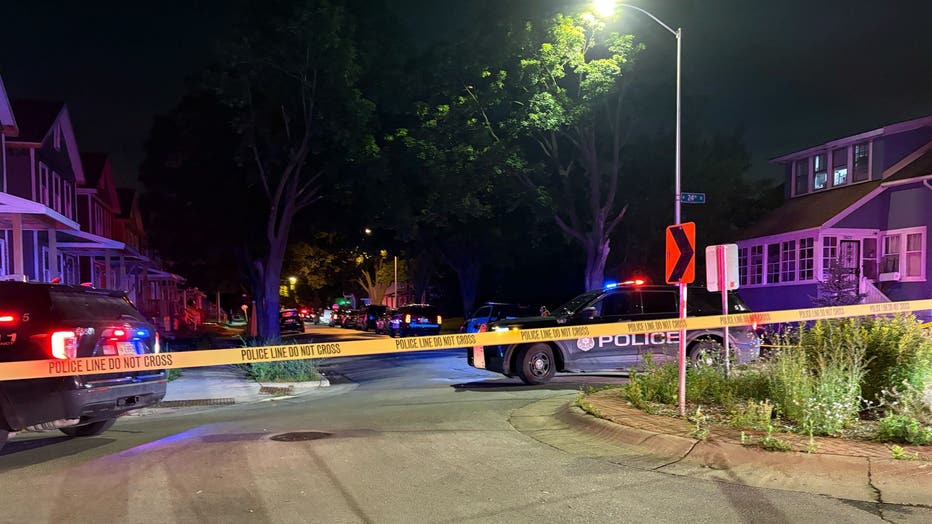
Scene near 25th and Garfield, Milwaukee
Corder dropped to the ground, and McCray – who had been shot in the foot, leg and back – ran to grab Corder's firearm and protect him, according to a criminal complaint. Backup officers and a tactical team arrived shortly after the shooting.
The two officers were taken to Froedtert Hospital, a Level I Trauma Center. McCray was released from the hospital days later, while Corder died of his wounds on June 29. Court filings said Corder suffered three gunshot wounds, one of which severed his spine.
SIGN UP TODAY: Get daily headlines, breaking news emails from FOX6 News
Dig deeper:
Prosecutors said there were fights between groups of women over Jones and allegations of cheating. While at an apartment building before officers arrived, Jones fired shots into the air. The officers arrived a short time later.
McCray said he and Corder were walking down an alley when he saw a flash coming from some bushes and heard a bang that "sounded like a firework," according to the complaint. More flashes and bangs, which were gunshots, followed.
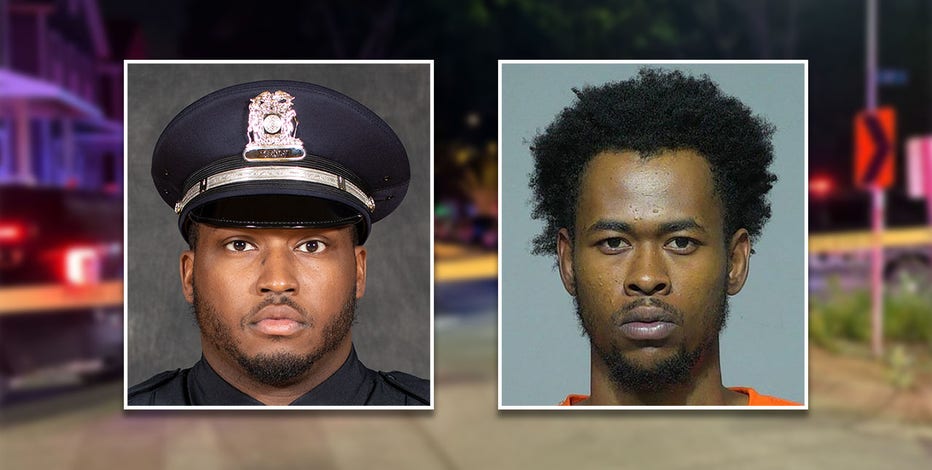
Milwaukee police officers shot, Tremaine Jones charged
A Milwaukee man is now charged in the shooting that killed Officer Kendall Corder and wounded Officer Christopher McCray last Thursday.
Court filings said police recovered 16 total rifle cartridge casings at the scene "consistent with the shots being fired from the bushes" as McCray described. They later recovered a rifle along a fence line that the Milwaukee Police Department Fusion Center later determined was "consistent" with being the gun that fired all 16 rounds. Forensic investigators pulled a latent fingerprint, identified as Jones', from the weapon.
The complaint said police also found a social security card, birth certificate and several debit cards with Jones' name on them inside a backpack in a nearby backyard. There was a receipt from a West Allis gun shop that showed Jones bought a gun on June 17 and picked it up on June 19.
Jones was arrested the morning after the shooting at a home near 37th and Villard. A witness said Jones did not know he was shooting at the police and "thought it was someone else," according to court filings. The witness said Jones also said he had "better get out of there" because he had "just killed a cop."
Complete coverage
Dig deeper:
FOX6 News has followed the case from the time of the shooting to the trial. Read and watch more coverage below at the links below:
- April 1: Officer McCray testifies, bodycam footage played in court
- March 31: Officers, detectives testimony covers scene response, evidence
- Tremaine Jones trial: Jury selection begins for man accused of shooting Milwaukee police officers
- Milwaukee Police Officer Kendall Corder laid to rest, loved ones say goodbye
- Milwaukee police officers shot, Tremaine Jones charged
- Remembering Milwaukee police officers who died in the line of duty
LIVESTREAM: Full coverage from April 2, 2026
WARNING: The livestream may include strong language and disturbing images. Discretion is advised.
The Source: FOX6 News is in court for the trial and referenced information from the Milwaukee Police Department, Milwaukee County District Attorney's Office, Wisconsin Circuit Court and prior coverage related to the shooting, investigation, funeral and more.