

Wisconsin budget surplus: Bipartisan package invests $600M in schools
Wisconsin budget surplus: $600M school investment
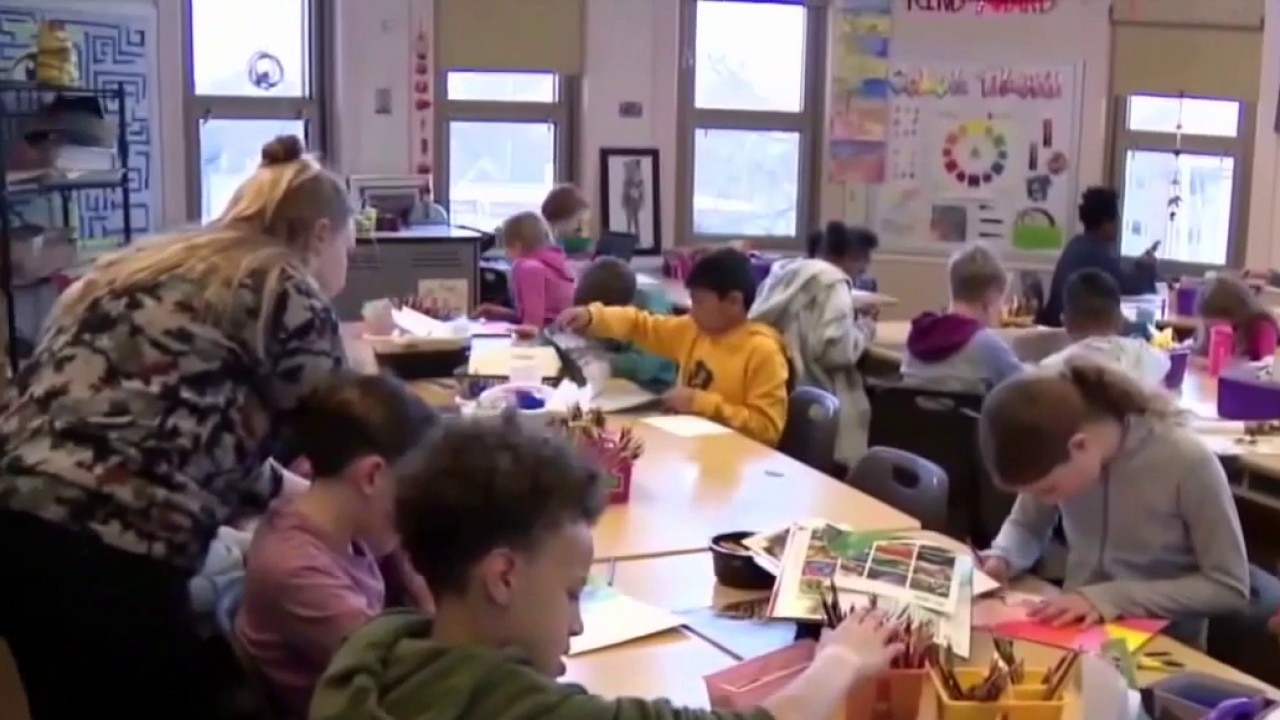
State leaders announced on Monday, May 11, an historic school investment that provides over $600 million for K-12 schools, including a record-breaking 50% reimbursement rate for special education and $300 million in general aid.
MADISON, Wis. - Gov. Tony Evers and Republican leaders in Madison announced on Monday, May 11, they reached agreement on a bipartisan proposal to use a portion of the state’s surplus to invest in Wisconsin’s kids and K-12 schools, provide property tax relief statewide, and help working families afford rising costs.
Bipartisan package invests $600M in Wisconsin schools
Gov. Tony Evers and Republican leaders in Madison announced on Monday, May 11, they reached agreement on a bipartisan proposal to use a portion of the state’s surplus to invest in Wisconsin’s kids and K-12 schools, provide property tax relief statewide, and help working families afford rising costs.
Bipartisan deal reached
What we know:
A news release from the governor's office says the bipartisan package "invests over $600 million in Wisconsin’s K-12 schools, including providing the largest increase to the state’s special education reimbursement rate in state history to attain 50 percent as well as investing over $300 million in general school aids; provides tens of millions of dollars in statewide property tax relief through Wisconsin Technical College System aid; makes direct payments to Wisconsin’s working families who are struggling to keep up with rising costs; and eliminates state income tax on tipped and overtime income."
FREE DOWNLOAD: Get breaking news alerts in the FOX LOCAL Mobile app for iOS or Android
The deal will be paid for using a small portion of the state’s readily available state surplus, the balance of which also increased since the 2025-27 state budget was enacted last summer. It leaves billions of dollars remaining and available in the state’s checking and savings coffers for the next biennial state budget and to respond to any pressing state challenges in the interim.
What they're saying:
"I think money for schools is obviously the most important thing for me. But once again, we're in a position to actually compromise and have Republicans and Democrats, at least in the leadership level, getting something done," Gov. Evers said.
"I'm really grateful for the conversations and the ongoing discussions and always putting kids first. I look at this deal, if it gets signed, as something that's really positive for public schools," said Jill Underly, Wisconsin Superintendent of Public Instruction.
"We’re sending it back to help families with the pressure of increasing costs, reward hard work, and to continue investing in schools to help stabilize rising property taxes," said Assembly Speaker Robin Vos.
How big is the state surplus?
By the numbers:
Wisconsin closed the last fiscal year with $4.6 billion in the state’s general fund, which functions like the state’s checking account, and $2 billion in the ‘rainy day’ fund, which is effectively the state’s savings account.
SIGN UP TODAY: Get daily headlines, breaking news emails from FOX6 News
Earlier this year, the nonpartisan Legislative Fiscal Bureau estimated that the state would end the biennium with about $2.37 billion, a projection that is more than $1.5 billion above the projected net balance from the enacted 2025-27 biennial budget.
The deal worked out
Dig deeper:
The deal negotiated by all parties includes the following:
- The largest increase to the state’s special education reimbursement rate in state history to attain 50%, investing over $600 million in Wisconsin’s K-12 schools, on top of the already historic nearly $1.4 billion provided in the 2025-27 Biennial Budget, including $300 million in property tax relief through general school aids;.
- Provides an additional $50 million in property tax relief for Wisconsinites statewide in addition to the above over $300 million in general school aids.
- Eliminates the income tax on cash tips and overtime income for Wisconsin taxpayers
- Returns over $850 million of the surplus to Wisconsinites, providing direct support to over 3 million Wisconsinites to respond to rising costs.
The Source: Information in this post was provided by the governor's office in collaboration with Republican leaders in Madison.