

Wisconsin school funding, tax rebate bill fails; Evers criticizes lawmakers
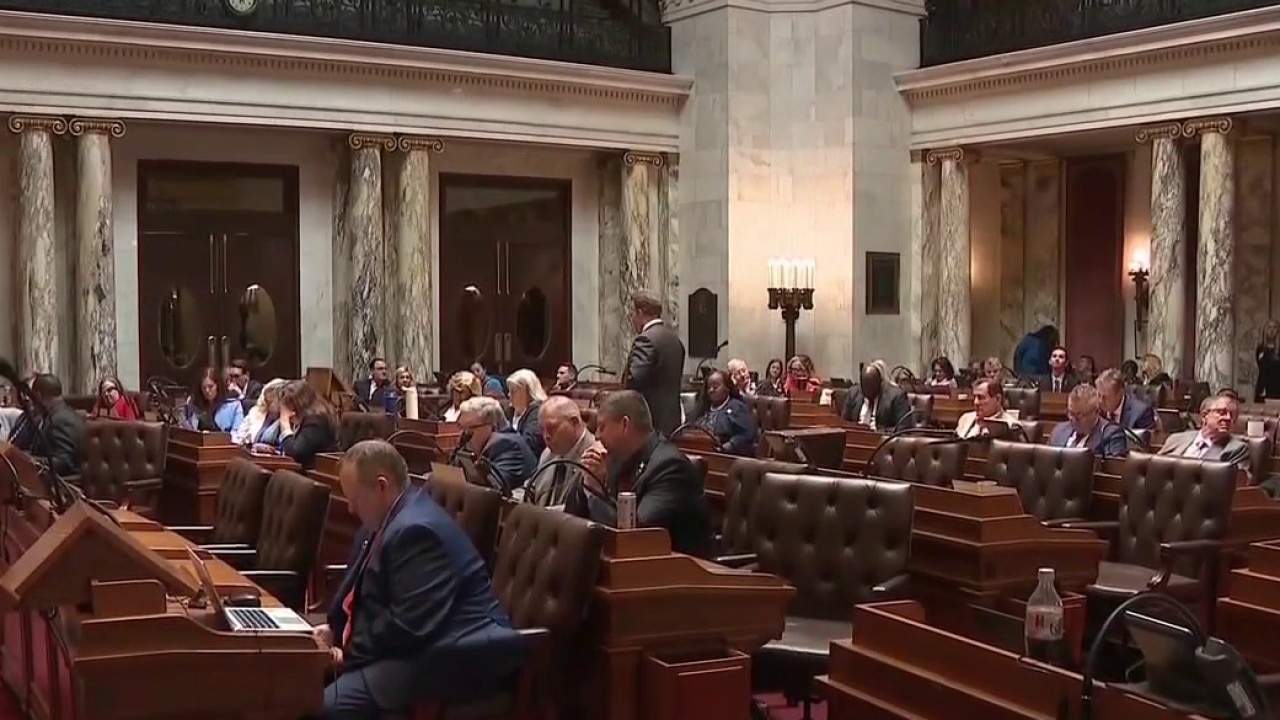
Wisconsin school funding, tax rebate bill fails
A bipartisan plan to use part of Wisconsin’s state surplus for school funding, property tax relief and direct payments to residents failed in the Legislature on Wednesday night, May 13.
MADISON, Wis. - A bipartisan plan to use part of Wisconsin’s state surplus for school funding, property tax relief and direct payments to residents failed in the Legislature on Wednesday, May 13.
What we know:
The Senate rejected the bill Wednesday after leaders spent hours trying to amend it and win over Republicans who were expected to vote no.
The proposal was announced earlier this week by Gov. Tony Evers, Assembly Speaker Robin Vos and Senate Majority Leader Devin LeMahieu after months of negotiations. Evers criticized Wisconsin lawmakers after the bipartisan plan failed.
FREE DOWNLOAD: Get breaking news alerts in the FOX LOCAL Mobile app for iOS or Android
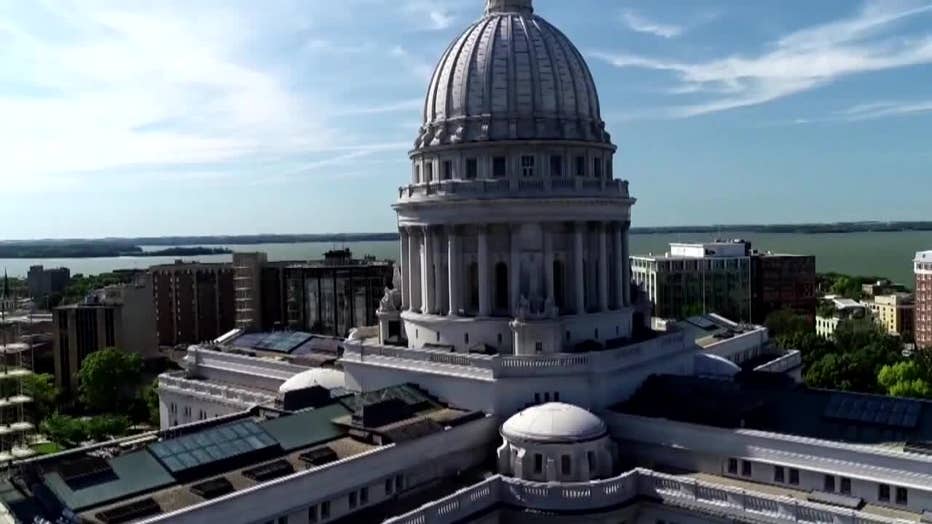
Wisconsin Capitol
The plan would have put more than $600 million into K-12 schools, including a special education reimbursement increase and more than $300 million in general school aid. It also included statewide property tax relief through Wisconsin Technical College System aid, direct payments to Wisconsin families and the elimination of state income taxes on tipped wages and overtime income.
An earlier version of the proposal called for tax rebates of up to $300 for single filers and up to $600 for married couples based on state income taxes paid.
The bill faced opposition from lawmakers in both parties before it failed. Some Democrats had criticized the proposal for excluding some low-income residents and potentially creating a structural deficit.
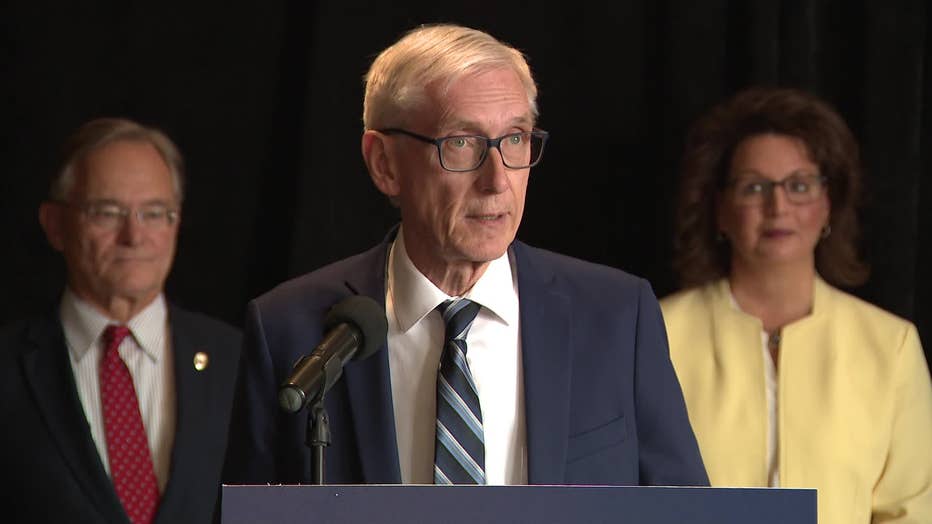
Gov. Tony Evers
Evers said multiple lawmakers helped tank the proposal, with some allegedly doing so after phone calls with Tiffany. He said the bill’s failure means K-12 schools will not receive the additional funding, Wisconsinites will not receive the proposed property tax relief and about $850 million will not be returned to taxpayers.
What they're saying:
"Wisconsin’s kids and schools aren’t going to get the investments they desperately need this year because Tom Tiffany and a few Republican and Democratic lawmakers chose to blow up a bipartisan plan to invest in our K-12 schools, lower property taxes, and help working families afford rising costs, all because they’d rather do what’s best for the next election than what’s right for the people of our state," Evers said.
SIGN UP TODAY: Get daily headlines, breaking news emails from FOX6 News
Evers said the failed bill will also leave tipped wages and overtime income subject to state income taxes.
"So many Wisconsinites feel left behind, frustrated, and disillusioned by politics these days because they think a lot of politicians in the Capitol are only here to serve themselves," Evers said. "And, today, they’re right."
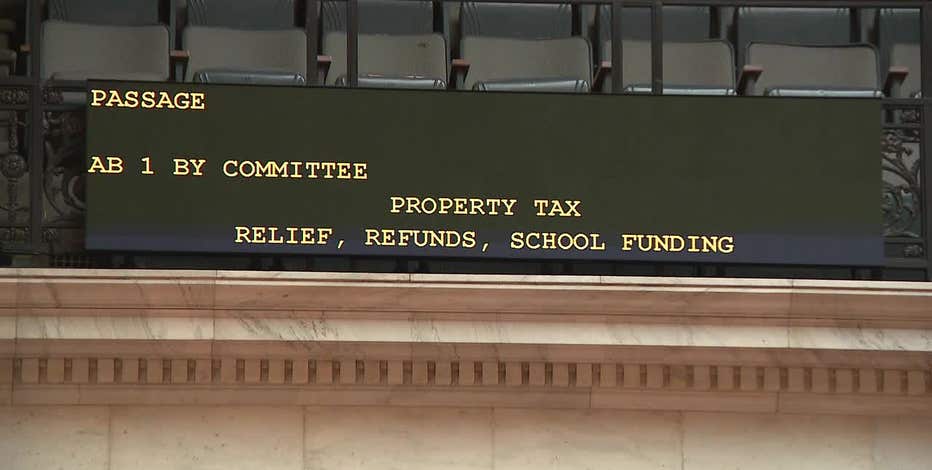
Wisconsin lawmakers negotiate tax rebate, school funding bill
There is no deal yet on a bill to give Wisconsin residents a tax rebate. The bill risked failing in the Senate. So lawmakers are working to change it.
School district responses
What they're saying:
Five Wisconsin school districts, including Milwaukee Public Schools, responded to the funding rejection:
"Wisconsin’s special education funding system is broken – and the compromise proposed by Governor Evers and Republican leadership represented meaningful progress. We urge the Governor and the Legislature to return to the table to address the continued underfunding of special education. Failure to approve a bipartisan plan will result in real harm, not just for students with disabilities, but for all public school students statewide.
"For many school districts, it will be the difference in maintaining student programming and retaining highly qualified staff next school year. However, even if additional special education funding is approved, many districts will still face significant budget deficits and continued financial strain.
"Following the state’s failure to uphold its original special education reimbursement commitments, the pledge in the compromise plan (Assembly Bill 1) to reimburse 42% of special education costs for the 2025-26 school year and 50% in 2026-27 is a step in the right direction. Each year that Wisconsin fails to adequately fund the education of students with disabilities, it forces public school districts statewide to divert their limited general funds to cover underfunded special education costs. In 2022, the Education Law Center estimated these funded costs at $1.25 billion statewide.
"The bipartisan agreement also acknowledges another significant challenge: Without new general aid in the state budget, growing school costs have increasingly been shifted directly to property taxpayers. At a time when Wisconsin residents are already navigating rising costs of living, reducing the tax burden would provide much‑needed relief—especially for seniors on fixed incomes.
"These solutions are, by design, a compromise. They do not fix Wisconsin’s long‑standing, broken school-funding system. But they do provide desperately needed resources to help public schools continue meeting the needs of students, families, and communities across our state.
"We remain committed to working with lawmakers on both sides of the aisle to build a sustainable, long‑term funding system that ensures every child in Wisconsin has access to a high‑quality public education. In the meantime, we urge them to return to the table and work together to support those who will be harmed the most without action: our students, families and communities."
- Vicki Bayer, Superintendent, Green Bay Area Public School District
- Brenda Cassellius, EdD, Superintendent, Milwaukee Public Schools
- Soren Gajewski, Superintendent, Racine Unified School District
- Joe Gothard, EdD, Superintendent, Madison Metropolitan School District
- Jeff Weiss, EdD, Superintendent, Kenosha Unified School District
The Source: The Office of Gov. Tony Evers provided information, and FOX6 utilized prior coverage for this report as well.