

Wisconsin winter: Cold, snowy winter stretches during weak La Niña
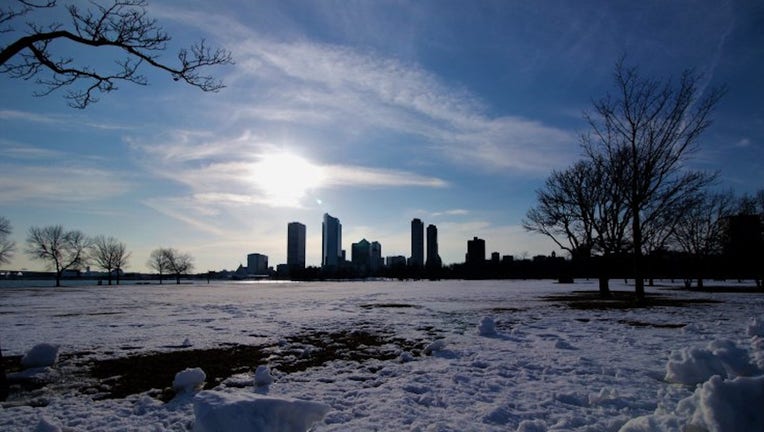
MILWAUKEE - The 2025/2026 winter outlook is shaping up to be active and somewhat variable with colder and snowier stretches mixed in with drier and milder periods when compared to the last several years. Much of this variability and change is due to a weak and likely short-lived La Niña that is in place.
Early winter may lean milder at times, but there are signs of a colder and stormier pattern across Wisconsin as we move into the heart of winter.
Climate Prediction Center: "La Niña conditions have developed"
What we know:
The Climate Prediction Center (CPC) notes that "La Niña conditions have developed" and are expected to continue into winter before fading back to neutral by early spring. Historically, La Niña winters tend to bring more storm systems, increased precipitation and a fast, wavy jet stream that often carves out cold pockets over the northern states, including Wisconsin.

This winter’s outlook is also influenced by an easterly phase of what is known as the Quasi-Biennial Oscillation or QBO. The QBO is a stratospheric wind pattern that can weaken the polar vortex and create opportunities for Arctic air to spill southward.
A weaker stratospheric polar vortex can lead to a wavy jet stream that increases the potential for more Arctic air outbreaks for Wisconsin which could have a major impact come January and February.
Mixed start, then increasing chance of cold
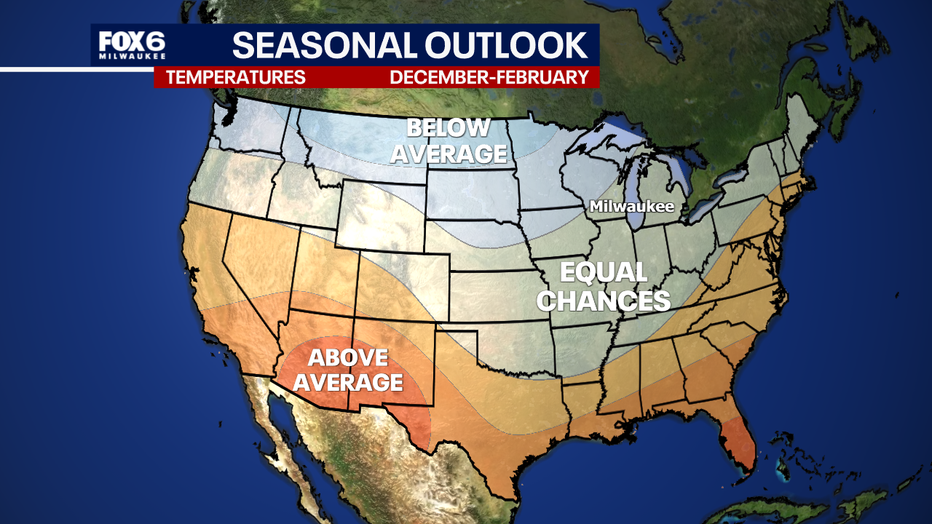
CPC Winter Temp Outlook
Dig deeper:
Current trends are showing that for November through January, Wisconsin falls under an "Equal Chances" category for temperature, meaning there’s no clear signal for warmer or colder conditions early in the season. There will be a typical mix of occasional mild stretches followed by quick cold snaps and a mix of rain and early snow events.
FREE DOWNLOAD: Get breaking news alerts in the FOX LOCAL Mobile app for iOS or Android
However, as winter deepens, the signals start to sharpen. We will be watching a growing region of below-normal temperatures from the Pacific Northwest through the northern Plains and into the Great Lakes during January through March and Wisconsin sits squarely in that zone.
To put it more plainly: our coldest, snowiest stretch is likely to arrive right in the middle of winter.
Wetter, potentially snowier season
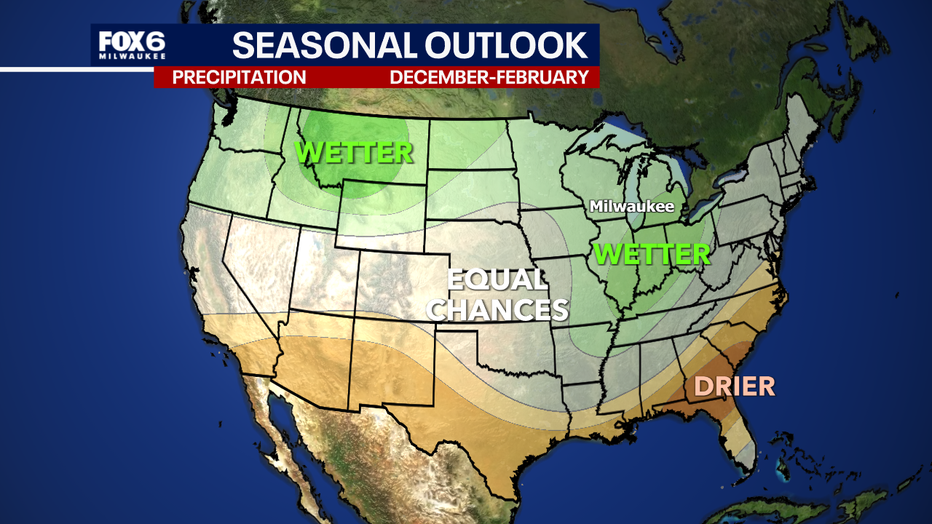
CPC Winter Precipitation Outlook
Big picture view:
One of the strongest signals for Wisconsin is increased precipitation. From November through March, the CPC favors above-normal precipitation across the northern tier of the United States, including the western Great Lakes. This aligns with classic La Niña behavior, which often produces a steady parade of clipper systems, strong Great Lakes lows and frequent light-to-moderate snowfall events.
For Wisconsin, that could mean:
- More frequent snow events
- Higher lake-effect snow potential early in the season
- A busier storm track producing impactful winter systems
- Greater chances for mixed precipitation during transitional periods
SIGN UP TODAY: Get daily headlines, breaking news emails from FOX6 News
While it is far too early for any winter outlook to specify snowfall totals, the combination of increased precipitation and a colder mid-winter pattern strongly suggests a more traditionally snowy Wisconsin season compared with recent years.

The role of the Polar Vortex
What we know:
This year’s alignment of a La Niña + easterly QBO is noteworthy. These conditions often weaken the polar vortex, increasing the chances of disruptions in the stratosphere. Such events can lead to extreme cold outbreaks weeks later.
While we do not see enough evidence at this stage to forecast a major polar-vortex disruption, we do see the increased risk of conditions that elevate the potential for colder temperatures in the central and eastern U.S.
If a Sudden Stratospheric Warming event develops, Wisconsin could experience a prolonged deep freeze the type that locks in for a week or more.
How this affects daily life in Wisconsin
Travel and commuting
More frequent systems mean more mornings with slick roads, reduced visibility and travel delays. Early winter may feature more rain/snow mix events, while mid-winter trends colder and more consistently snowy.
Energy and heating bills
Colder spells in January–March will increase heating demand. Households already managing tight budgets may feel the impact.
Outdoor recreation
After several marginal winters, this season looks more favorable for snowmobiling, skiing and ice fishing — especially from mid-January into early March.
Agriculture and livestock
More snowpack could help spring moisture levels, but repeated freeze–thaw cycles may challenge winter wheat and perennials. Cold stress periods for livestock are likely during Arctic outbreaks.
Health and safety
Expect higher risks for frostbite, hypothermia and ice-related injuries. Freezing rain events early in the season may cause falls, accidents and power outages.
Trends to watch as winter progresses
1. Will La Niña hold?
It is expected to be weak and short-lived. Once it fades in early spring, its direct influence diminishes.
2. How will the polar vortex behave?
If it weakens or undergoes a sudden disruption, Wisconsin could see major cold events.
3. Will the North Pacific warm pool influence the jet?
The CPC is monitoring above-normal sea-surface temperatures across the North Pacific, which may reinforce the typical La Niña storm track.
4. Could March stay wintry?
Yes. The strongest below-normal signals persist into February and March.
Bottom line for Wisconsin
Local perspective:
Expect an active winter with more snow-producing systems and a heightened chance of mid-season cold outbreaks. Early winter may start unevenly, but the core of the season, January through March, is likely to feel colder, snowier and more traditionally "Wisconsin winter" than many of the past few years.
The Source: Information in this post was produced by the FOX6 Weather Experts and Climate Prediction Center.